


Maintaining good health starts with giving your body the nutrients it needs. Vitamins play an important role in everyday functions, including energy metabolism, immune function, healthy vision, bone maintenance, and the normal functioning of the nervous system.
But with so many vitamins and supplements available, one question often comes up: What vitamins do adults need daily?
The answer depends on several factors, including age, sex, dietary habits, lifestyle, and individual health needs. While a balanced diet can provide most essential nutrients, some adults may benefit from additional supplementation.
In this guide, we explore the essential vitamins adults need, their functions, common food sources, and what to consider before choosing a daily multivitamin.
1. Why Does the Body Need Vitamins?
Vitamins are essential micronutrients that help the body perform numerous normal functions. Although the body needs them in relatively small amounts, each vitamin has a different role.
For example:
- Some vitamins help convert food into usable energy.
- Certain vitamins support normal immune function.
- Others contribute to healthy vision and skin.
- Some help maintain bones and teeth.
- Several vitamins are involved in normal blood cell formation and nervous system function.
The body cannot produce sufficient amounts of every essential vitamin on its own. Therefore, obtaining them through food or, when appropriate, supplements is important.
Most people can obtain the nutrients they need through a varied and balanced diet. Supplements are intended to fill specific nutritional gaps rather than replace healthy meals.
2. What Vitamins Do Adults Need Daily?
There are 13 essential vitamins. Each contributes to different processes in the body.
Vitamin A — Vision and Immune Function
Vitamin A contributes to normal vision, immune function, and the maintenance of healthy skin and tissues.
Food sources include:

- Carrots
- Sweet potatoes
- Spinach
- Eggs
- Dairy products
- Certain types of fish
Including colourful vegetables and other vitamin A-containing foods in your diet can help support adequate intake.
Vitamin B Complex — Energy Metabolism and Nervous System Function
B vitamins are a group of nutrients that help the body use energy from food and support several important biological processes.
The B-vitamin group includes:
- Vitamin B1 (Thiamin): Supports normal energy metabolism and nervous system function.
- Vitamin B2 (Riboflavin): Helps the body release energy from food.
- Vitamin B3 (Niacin): Contributes to normal energy metabolism and healthy skin.
- Vitamin B5 (Pantothenic Acid): Participates in the production and metabolism of certain substances in the body.
- Vitamin B6: Supports protein metabolism and normal nervous system function.
- Vitamin B7 (Biotin): Helps the body metabolise carbohydrates, fats, and proteins.
- Vitamin B9 (Folate): Plays a role in DNA production and normal cell division.
- Vitamin B12: Supports normal red blood cell formation and nervous system function.
Food sources include:
- Whole grains
- Eggs
- Milk and dairy products
- Meat and poultry
- Fish
- Beans and lentils
- Fortified cereals
Vitamin B12 deserves particular attention for people following vegan diets because natural food sources are mainly animal-derived. Fortified foods or supplements may be needed.
Vitamin C — Collagen Formation and Antioxidant Protection
Vitamin C is an essential nutrient that contributes to normal immune function, collagen formation, and the protection of cells from oxidative stress.
Collagen is an important structural protein found in skin, bones, cartilage, and other connective tissues.

Food sources include:
Oranges
Kiwifruit
Strawberries
Guava
Bell peppers
Broccoli
Tomatoes
Eating a variety of fruits and vegetables is a practical way to include vitamin C in your daily diet.
Vitamin D — Bone and Muscle Health

Vitamin D helps the body absorb calcium and supports the maintenance of normal bones and muscle function.
The body can produce vitamin D through exposure to sunlight, while certain foods and fortified products also provide it.
Food sources include:
- Fatty fish
- Egg yolks
- Fortified milk
- Fortified cereals
- Some mushrooms
Vitamin D intake can be a concern for people with limited sun exposure or other risk factors for low vitamin D levels. A healthcare professional can advise whether testing or supplementation is appropriate.
Vitamin E — Protection from Oxidative Stress
Vitamin E acts as an antioxidant and contributes to the protection of cells from oxidative stress.
Food sources include:
- Almonds
- Sunflower seeds
- Hazelnuts
- Vegetable oils
- Spinach
- Avocados
A varied diet containing nuts, seeds, and vegetables can help provide vitamin E.
Vitamin K — Normal Blood Clotting and Bone Health
Vitamin K plays an important role in normal blood clotting and contributes to bone health.
Food sources include:
- Kale
- Spinach
- Broccoli
- Cabbage
- Other green leafy vegetables
People taking blood-thinning medication such as warfarin should speak with their healthcare professional before making significant changes to vitamin K intake or starting supplements.
3. Food Sources of Essential Vitamins
A balanced eating pattern is one of the most practical ways to obtain a variety of vitamins.
Here is a simple overview:
| Vitamin | Common food sources |
|---|---|
| Vitamin A | Carrots, spinach, eggs |
| Vitamin B1 | Whole grains, meat, fish |
| Vitamin B2 | Milk, eggs, mushrooms |
| Vitamin B3 | Meat, fish, peanuts |
| Vitamin B5 | Chicken, eggs, mushrooms |
| Vitamin B6 | Poultry, bananas, chickpeas |
| Vitamin B7 | Eggs, nuts, seeds |
| Vitamin B9 | Leafy vegetables, lentils |
| Vitamin B12 | Fish, meat, dairy |
| Vitamin C | Citrus fruits, guava, peppers |
| Vitamin D | Fatty fish, egg yolks, fortified foods |
| Vitamin E | Almonds, sunflower seeds, vegetable oils |
| Vitamin K | Spinach, kale, broccoli |
Food combinations matter too. Eating different food groups throughout the day can help create a more varied nutritional intake.
4. Do Adults Need a Daily Multivitamin?
Not every adult needs a daily multivitamin.
Many people can meet their nutritional requirements through a balanced diet. However, certain circumstances can make it more difficult to obtain enough of particular nutrients.
A multivitamin may be worth discussing with a healthcare professional when:
- Your diet is limited or lacks variety.
- You follow a vegan or highly restrictive eating pattern.
- You have increased nutritional requirements.
- You have a medical condition affecting nutrient absorption.
- A healthcare professional has identified a nutritional deficiency.
A multivitamin generally combines several vitamins and sometimes minerals in one supplement.
However, different products contain different ingredients and amounts. It is important to choose a formula that suits your individual nutritional needs rather than assuming that every adult requires the same supplement.
5. Who May Need Additional Vitamins?
Nutritional needs can vary throughout adulthood.
Adults with Busy Lifestyles
People with demanding schedules may sometimes rely on convenience foods and have less variety in their meals.
Planning balanced meals and identifying any nutritional gaps can help support better dietary habits.
Adults Following Vegetarian or Vegan Diets
People who avoid animal products may need to pay particular attention to vitamin B12. Depending on their food choices, they may also need to consider vitamin D, iron, calcium, iodine, and other nutrients.
Adults Over 50
As people get older, their nutritional needs and ability to absorb certain nutrients can change.
Vitamin B12, vitamin D, and calcium are among the nutrients that may deserve particular attention, depending on diet and individual health circumstances.
Pregnant or Breastfeeding Women
Pregnancy and breastfeeding involve specific nutritional requirements. Folate or folic acid, iron, iodine, and other nutrients may require special attention.
Women who are pregnant, planning pregnancy, or breastfeeding should follow personalised advice from their healthcare professional rather than selecting a standard adult multivitamin.
6. How to Choose a Multivitamin for Adults
Choosing a multivitamin should involve more than looking at the number of ingredients on the packaging.
Here are some important considerations.
Check the Supplement Facts Label
Review the ingredient list, serving size, nutrient amounts, and percentage of daily values.
A product with more ingredients is not necessarily better for everyone.
Consider Your Age and Lifestyle
Nutritional needs can differ according to age, diet, activity level, and individual circumstances.
Select a product that is appropriate for your needs.
Avoid Excessive Supplementation
Taking multiple supplements containing the same nutrients can lead to excessive intake.
Fat-soluble vitamins such as A, D, E, and K can accumulate in the body. Certain minerals and B vitamins can also cause adverse effects when taken in excessive amounts.
Follow the Recommended Serving
Always follow the manufacturer’s label instructions and seek professional advice if you take medication or have a medical condition.
Choose Clearly Labelled Products
Look for transparent ingredient information, serving instructions, manufacturer details, and appropriate quality information.
7. Healthy Habits for Better Nutrition
Vitamins are only one part of a healthy lifestyle.
To support everyday nutritional wellness:
Eat a variety of foods: Include fruits, vegetables, whole grains, legumes, protein sources, and healthy fats.
Stay physically active: Choose regular activities that suit your fitness level and abilities.
Stay hydrated: Drink enough water according to your activity level, climate, and individual needs.
Maintain a consistent sleep routine: Adequate sleep supports normal physical and mental functioning.
Get professional advice when needed: Persistent tiredness or other symptoms should not automatically be attributed to vitamin deficiency. A healthcare professional can assess possible causes.
Building these habits can provide a stronger foundation for long-term wellness.
8. Frequently Asked Questions
What vitamins should adults take daily?
Adults need adequate amounts of all 13 essential vitamins: A, C, D, E, K, and the eight B vitamins. The amount needed varies according to age, sex, pregnancy status, and individual circumstances. Not everyone needs to take these vitamins as supplements.
Is it necessary to take a multivitamin every day?
No. Many adults can obtain sufficient vitamins through a varied and balanced diet. Supplementation may be useful for people with specific nutritional gaps or increased requirements.
Which vitamins help the body produce energy?
B vitamins, including B1, B2, B3, B5, B6, B7, B9, and B12, participate in normal energy metabolism. They help the body process nutrients from food, but taking extra vitamins does not necessarily increase energy if your intake is already adequate.
Can I get all essential vitamins from food?
Many people can meet their nutritional needs through a varied diet. However, some nutrients, such as vitamin B12 for people following vegan diets, may require fortified foods or supplementation.
Should adults take vitamins in the morning or at night?
There is no single best time for every vitamin. Timing depends on the supplement, formulation, food instructions, and individual circumstances. Follow the product label and professional advice.
Can I take multiple vitamin supplements together?
Some supplements can be combined, but overlapping ingredients may result in excessive intake. Review the labels and consult a healthcare professional or pharmacist before combining products.
What is the difference between vitamins and minerals?
Vitamins are organic nutrients, while minerals are inorganic elements. Both are essential for normal body functions, and many multivitamin products contain a combination of vitamins and minerals.
9. Final Thoughts: Make Everyday Nutrition a Priority
Understanding what vitamins adults need daily is an important step towards making informed nutritional choices.
Vitamins A, B complex, C, D, E, and K each contribute to different functions in the body. A varied diet remains the preferred foundation for obtaining these nutrients, while supplements may help address specific nutritional gaps.
If you are considering a multivitamin, take time to review its ingredients, serving instructions, and suitability for your individual needs.
Explore Daily Nutritional Support with OctaVitals
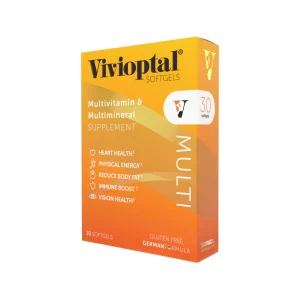
Looking for a multivitamin and multimineral supplement?
Discover Vivioptal Multi, a 30-softgel formulation containing a combination of vitamins, minerals, and additional nutritional ingredients.
Explore the product and review its ingredient information:
https://octavitals.com/product/vivioptal-multi-softgels-energy-multivitamin-dubai/
Make informed nutritional choices and build healthy habits that support your everyday wellness.
Disclaimer: This article is for general educational purposes only. It is not a substitute for professional medical advice, diagnosis, or treatment. Dietary supplements are not intended to diagnose, treat, cure, or prevent diseases. Individual nutritional needs vary. Consult a qualified healthcare professional before starting a supplement, particularly if you are pregnant, breastfeeding, taking medication, or managing a medical condition.